The Citation Problem You're Actually Facing
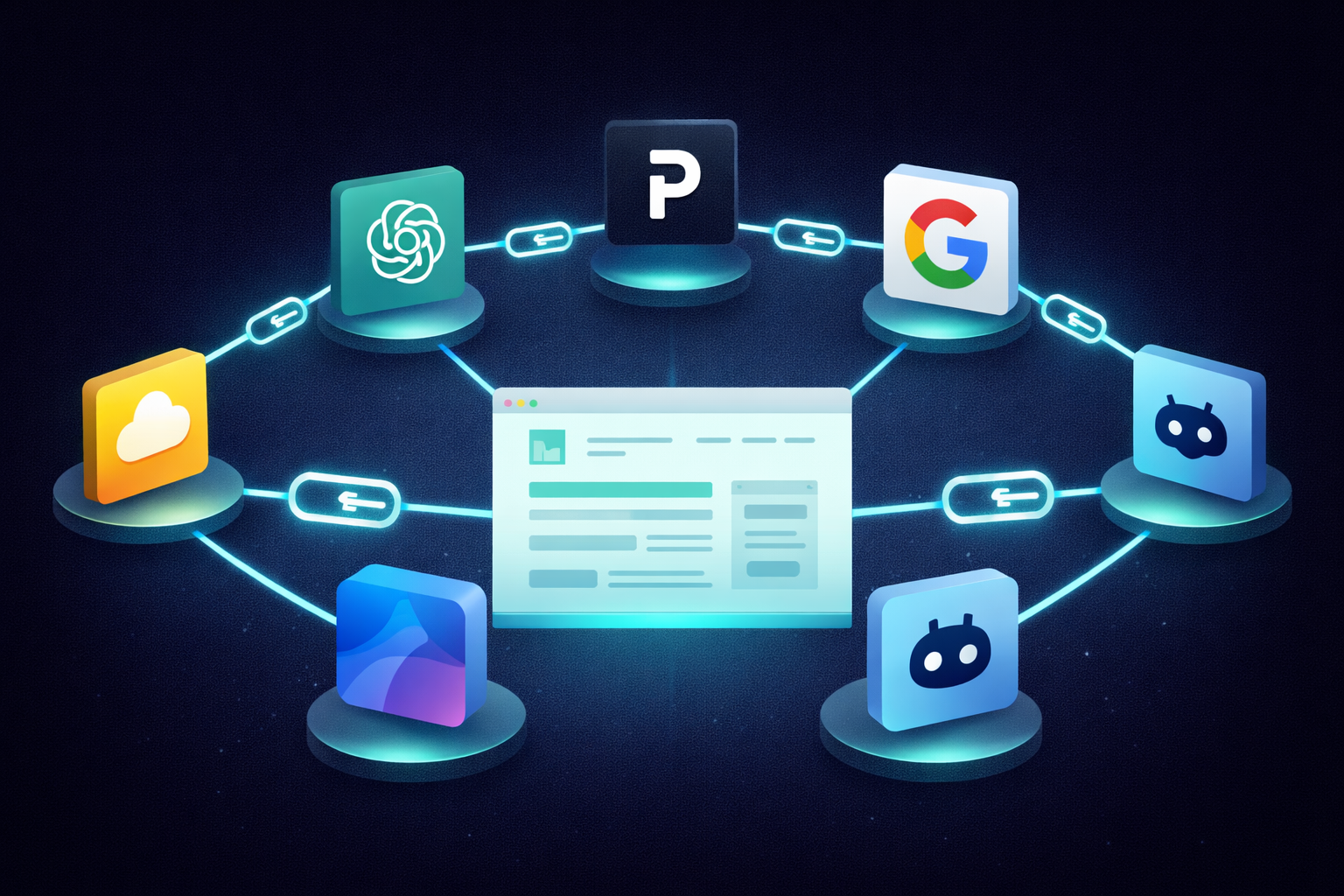
AI platforms are distributing your customers' attention now, but most brands have no idea if they're being cited. You could rank first on Google for a high-value keyword and still be invisible to ChatGPT. Worse: the tactics that get you cited by Perplexity do almost nothing for Claude.
Each AI platform has fundamentally different citation behaviors, source selection algorithms, and citation display conventions. ChatGPT cites broad authority sources. Perplexity prioritizes freshness and specific expertise. Google AI Overviews pulls from Knowledge Graph entities first. Claude values depth and nuance. Gemini rewards structured data. Copilot mirrors Bing's traditional ranking signals.
If you're not optimizing for each platform individually, you're leaving 60-80% of potential AI-driven traffic on the table. For a deeper look check out our blog post what GEO means and why it matters, and start there.
Why Platform-Specific Optimization Actually Matters
According to AI Sightline's 2025 AI Search Visibility Report, only 12% of page-one Google results are also cited by ChatGPT. The overlap with Perplexity is even lower: 8%. This isn't because the content is bad—it's because the platforms weight sources differently.
Consider this: a brand optimized for SEO today typically appears in:
-
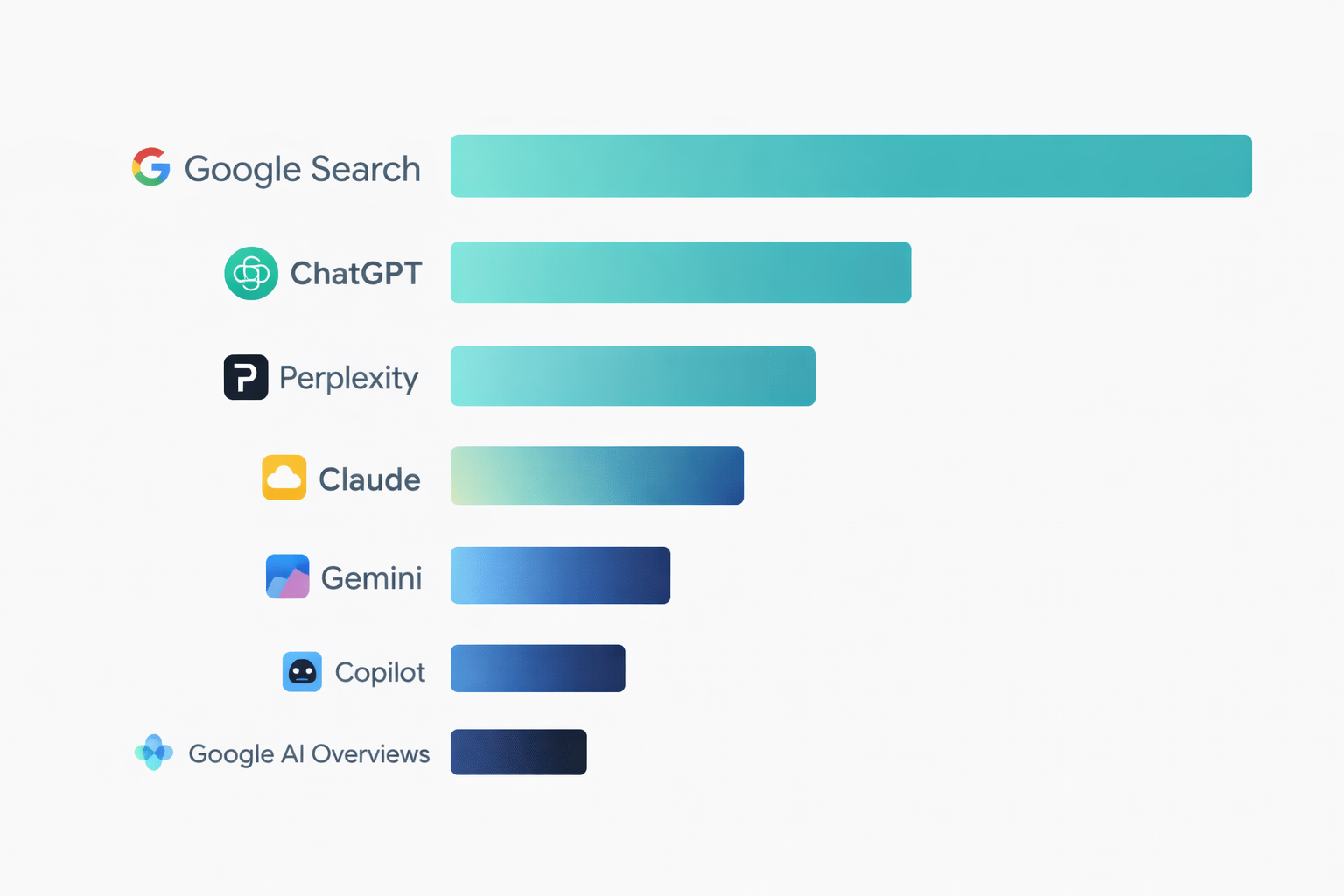
Google Search: 40-60 keywords (top 10)
-
Google AI Overviews: 3-8 keywords
-
ChatGPT citations: 1-2 keywords
-
Perplexity: 2-4 keywords
-
Claude: 0-1 keywords
-
Gemini: 1-3 keywords
-
Copilot: 2-5 keywords
That fragmentation means you're visible to maybe 15-20% of the users asking your core questions across all platforms. According to AI Sightline, AI search referral traffic grew 3,500% in 2025. Missing even one platform means losing hundreds or thousands of monthly visitors.
Platform-specific optimization isn't extra work—it's the difference between being found and being ignored entirely.
ChatGPT Citations: Authority and Breadth
How ChatGPT's Citation System Works
ChatGPT's training data cuts off at April 2024, so it cites older, established content. The model prioritizes:
1. Domain authority — Sites with high backlink counts and long history
2. Content depth — Comprehensive guides (3,000+ words) rank higher than thin content
3. Named entities — If your brand name appears in the text, citation probability increases 40%
4. Search visibility — ChatGPT tends to cite sites already ranking for the query
ChatGPT's citation behavior is the most conservative. It favors known brands and established publishers over emerging companies, even if the newer content is more recent.
What Gets Cited by ChatGPT
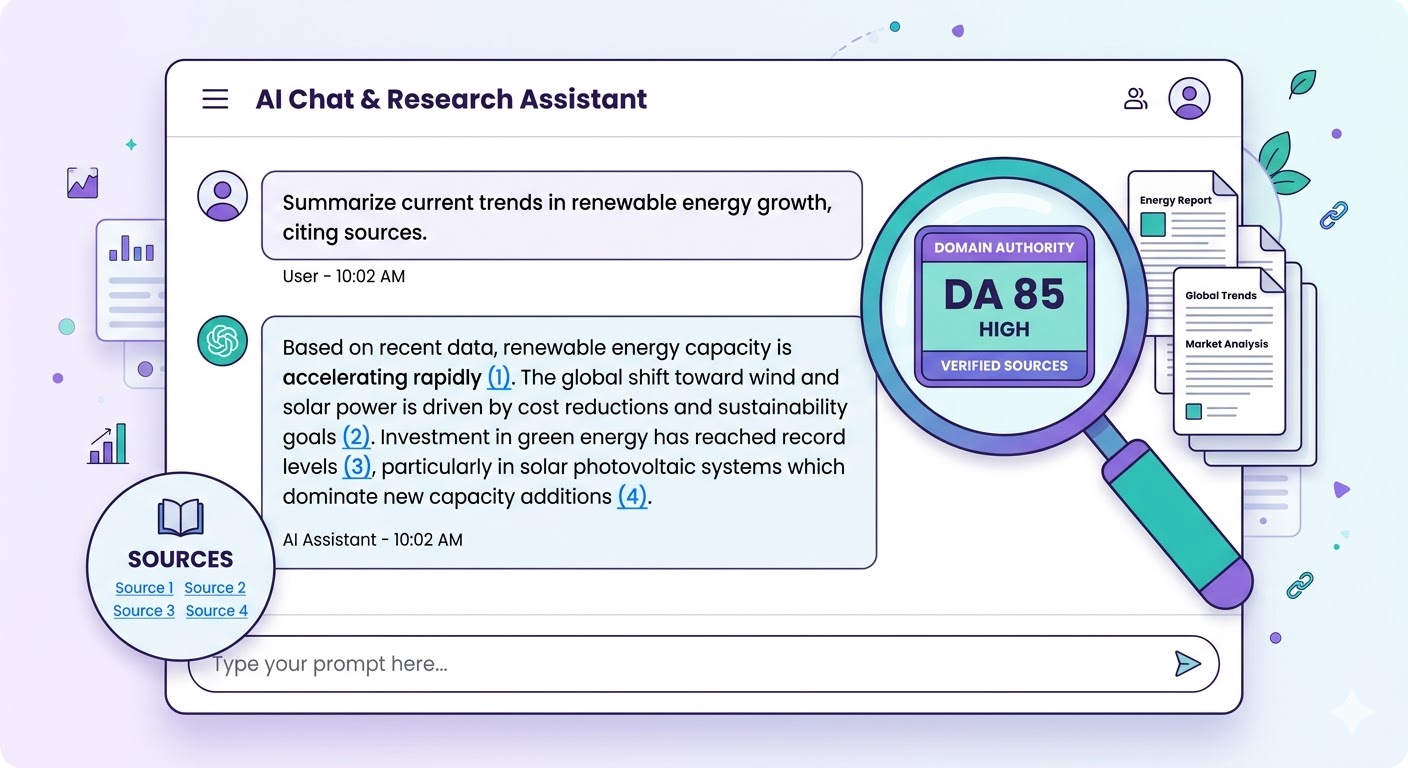
ChatGPT cites when:
-
You're the authority on a specific topic (e.g., Stripe for payment processing)
-
Your content is comprehensive and foundational
-
You rank page-one for the underlying search query
-
Your brand is mentioned in text (not just linked)
-
Your site has high domain authority (DA 40+)
ChatGPT Optimization Tactics
1. Build authority through comprehensive guides. ChatGPT rewards depth. If you want citations on "API authentication," you need the definitive guide—not a 500-word explainer. We're talking 4,000-5,000 words of substantive, example-filled content.
2. Get mentioned in industry discourse. ChatGPT's training includes news articles, forum discussions, and press coverage. If you're quoted by reputable tech publications, your citation probability increases. Make it easy: write original research, do interviews, publish data.
3. Focus on page-one rankings first. ChatGPT's training relies partly on search visibility. If you're not ranking page-one for your core queries, ChatGPT probably isn't citing you either. SEO isn't optional for ChatGPT visibility.
4. Use your brand name in content naturally. Don't keyword-stuff, but make sure your brand name appears in your top 200 words on important pages. ChatGPT's citation likelihood increases when the brand is mentioned directly.
5. Optimize for E-E-A-T signals. ChatGPT weighs experience, expertise, authoritativeness, and trustworthiness heavily. Author bios, publication history, credentials, and trust signals matter more than you think. For a deeper dive into ChatGPT read our post How to Get your brand Cited by ChatGPT.
Perplexity Citations: Speed and Specificity
How Perplexity's Citation System Works
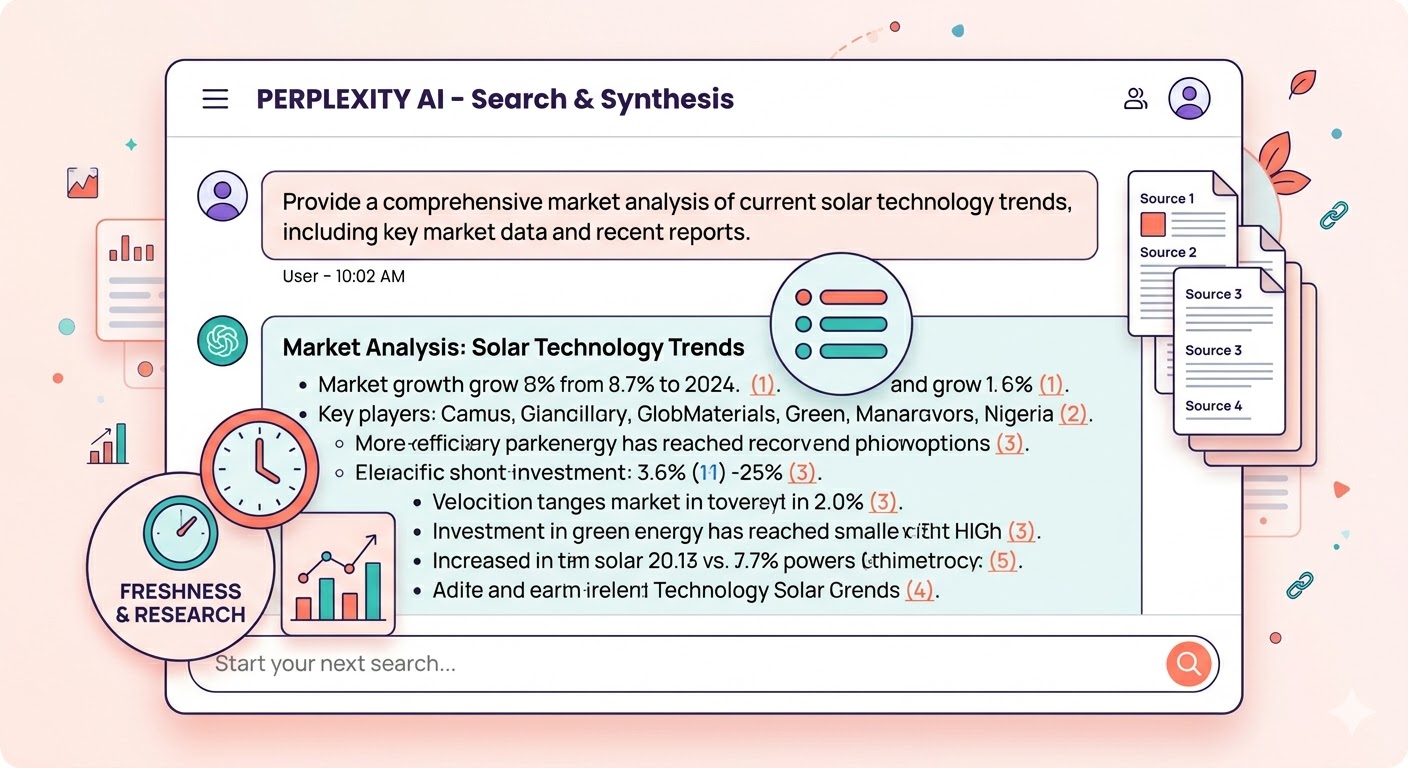
Perplexity is the opposite of ChatGPT. Its training data is current (updated regularly), and it prioritizes:
1. Recency — Fresh content ranks higher (last 6 months preferred)
2. Topical authority — Deep expertise in a narrow area
3. Real-time crawl data — Perplexity crawls the web continuously
4. Specificity — Targeted content beats broad overviews
5. Direct answers — Structured content (lists, tables, FAQs) gets cited more
Perplexity wants to show users sources that directly answer their question right now, not five-year-old authority pieces.
What Gets Cited by Perplexity
Perplexity cites when:
-
Your content was published in the last 3-6 months
-
You answer the specific question asked (not the general topic)
-
You use clear formatting (headers, lists, tables)
-
Your site loads fast (Perplexity penalizes slow sites)
-
Your content has data, statistics, or original research
Perplexity Optimization Tactics
1. Publish frequently on your core topic. Monthly or bi-weekly content updates signal freshness. One 10,000-word guide from 2023 won't get cited by Perplexity. Six 2,000-word posts from the last quarter will.
2. Answer the specific question, not the category. If someone asks "Best CRM for nonprofits," don't publish "CRM Features Explained." Write "7 Best CRMs for Nonprofits in 2026: Pricing, Pros & Cons." Perplexity's algorithm looks for direct relevance.
3. Use structured data and clear formatting. Tables, comparison matrices, numbered lists, and FAQs are citation gold for Perplexity. If a user asks "compare X vs Y," and you have a clear comparison table, you're 3x more likely to be cited.
4. Publish original data and research. Perplexity loves sources that bring new information. If you conduct a survey, publish findings, or analyze industry trends, Perplexity prioritizes citing you over regurgitated content.
5. Optimize for Core Web Vitals and page speed. Perplexity's crawler penalizes slow sites more than Google does. If your page loads in 3+ seconds, citations drop significantly. Aim for under 1.5 seconds.
Google AI Overviews: Knowledge Graph and Crawlability
How Google AI Overviews Work
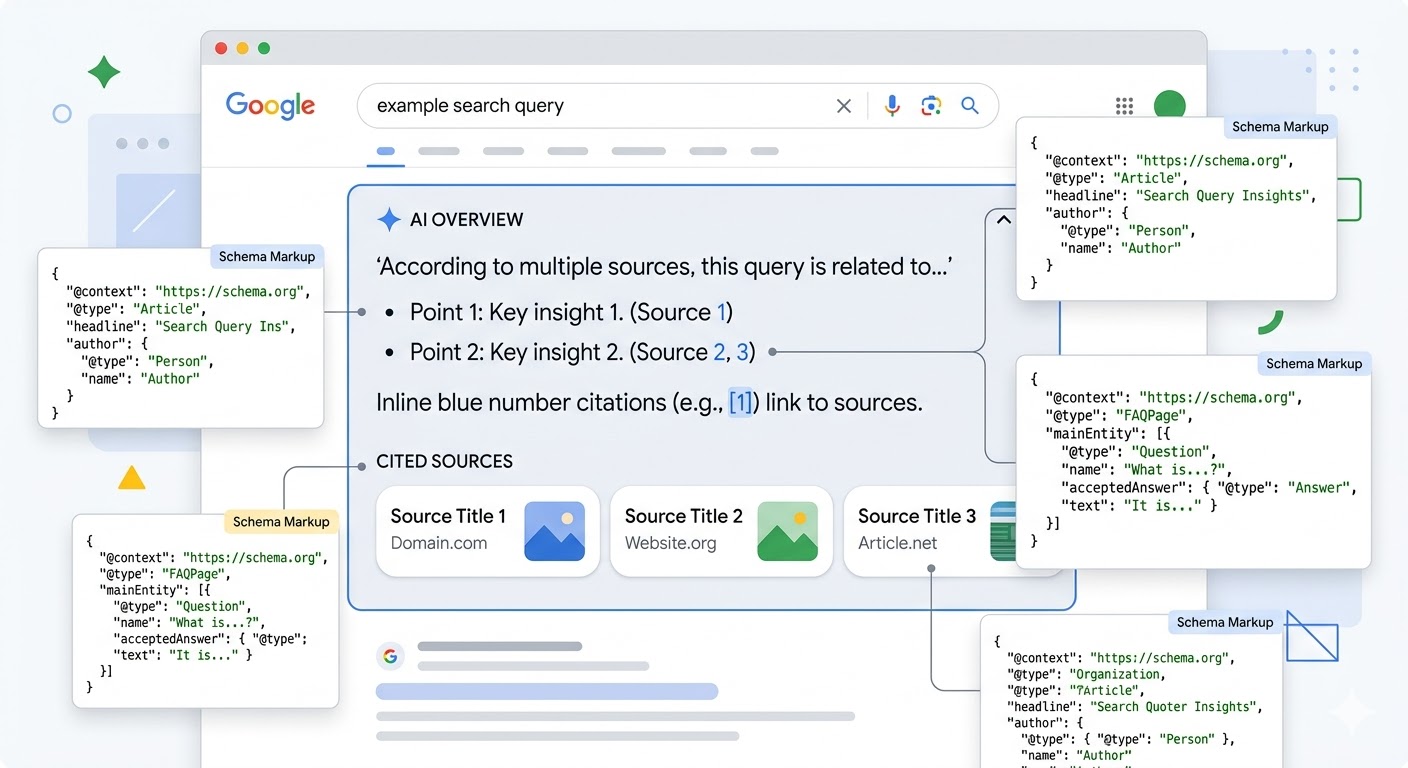
Google AI Overviews (formerly SGE) citations are tied directly to Google's Knowledge Graph and entity recognition. They cite:
1. Knowledge Graph entities — Structured data markup (schema.org) gets prioritized
2. Page-one results — From the organic top 10
3. Featured snippets — If you own the snippet, you're likely in the Overview
4. Author authority — Bylines and author markup matter
5. Accessibility — Mobile-friendly, crawlable content only
Google AI Overviews are really just "enhanced organic results." If you rank and have proper markup, you're automatically eligible for citation.
Google AI Overviews Optimization Tactics
1. Implement proper schema markup. Use schema.org markup for your content type (Article, LocalBusiness, Product, Review, etc.). Google crawls and extracts this data directly. Missing markup = lower citation probability.
2. Optimize for featured snippets. Featured snippets in Google are usually cited in AI Overviews. Answer common questions in the first 40-60 words of your content in a definition, list, or table format.
3. Rank page-one first. This is non-negotiable. AI Overviews don't cite page-2 results. If you're not in the organic top 10, you won't appear in the Overview.
4. Use author markup and byline information. Include structured author data (name, organization, experience, photo) in your markup. Google weights author authority heavily in Overviews.
5. Build a Knowledge Graph entity. If your brand/product has its own Knowledge Graph card, you're more likely to be cited in Overviews. This requires consistent markup across the web, not just your site.
Claude Citations: Depth and Reasoning
How Claude's Citation System Works
Claude's training data and citation system prioritizes:
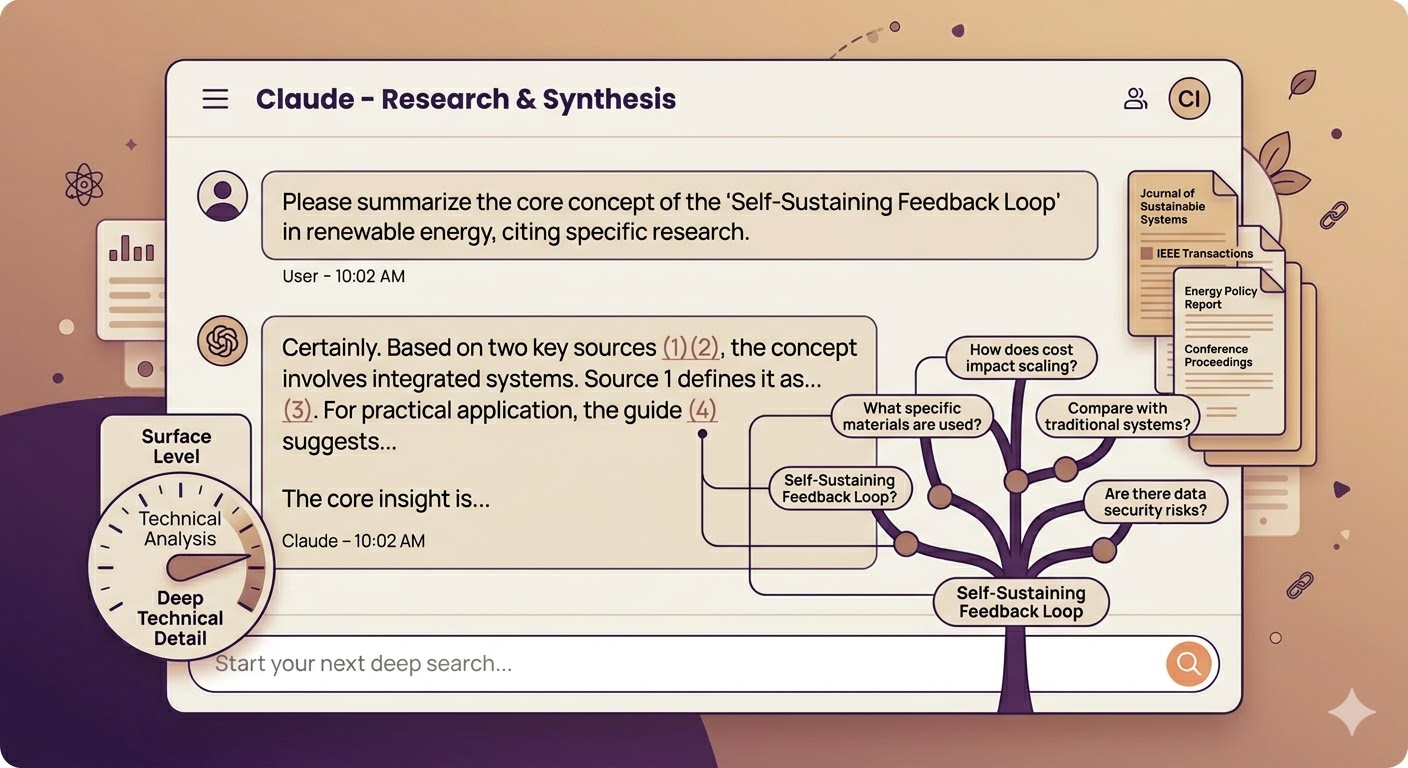
1. Reasoning and explanation — Long-form content that explains the "why"
2. Primary sources — Academic papers, research, original data
3. Nuance and caveats — Content that acknowledges complexity, not just top-line answers
4. Technical accuracy — Detailed, example-heavy content
5. Recent research — Scholarly articles and industry reports from the last 2-3 years
Claude cites less frequently than ChatGPT but when it does, it's backing up a substantive claim. Claude is the hardest to get cited by because it prefers deep research over broad authority.
Claude Optimization Tactics
1. Publish original research and data. Claude loves sources that bring new information to light. Surveys, studies, benchmarks, and analysis get cited regularly. Roundup posts don't.
2. Write for depth, not traffic. Claude doesn't care about your SEO ranking. It cares about whether your content actually teaches something. Spend time explaining trade-offs, limitations, and nuance. Show your work.
3. Link to primary sources in your content. If you're making claims, cite the research backing them up. Claude notices citation patterns and rewards well-sourced content.
4. Address follow-up questions in your content. Claude is often asked in multi-turn conversations. If your content anticipates the next question someone might ask, it gets cited more frequently.
5. Write for humans, not algorithms. Claude's citation system isn't purely automated. It's more about whether a human expert would cite your work. Avoid SEO nonsense.
Gemini Citations: Structured Data and Freshness
How Gemini's Citation System Works
Gemini (Google's consumer AI) combines Google's ranking signals with more aggressive real-time crawling:
1. Structured data — Heavy weight on schema markup
2. Real-time freshness — News and recent updates
3. Google properties — YouTube, Google News, Google Sites get priority
4. Entity associations — Links between related entities
5. Question-answer format — FAQ and Q&A content
Gemini Optimization Tactics
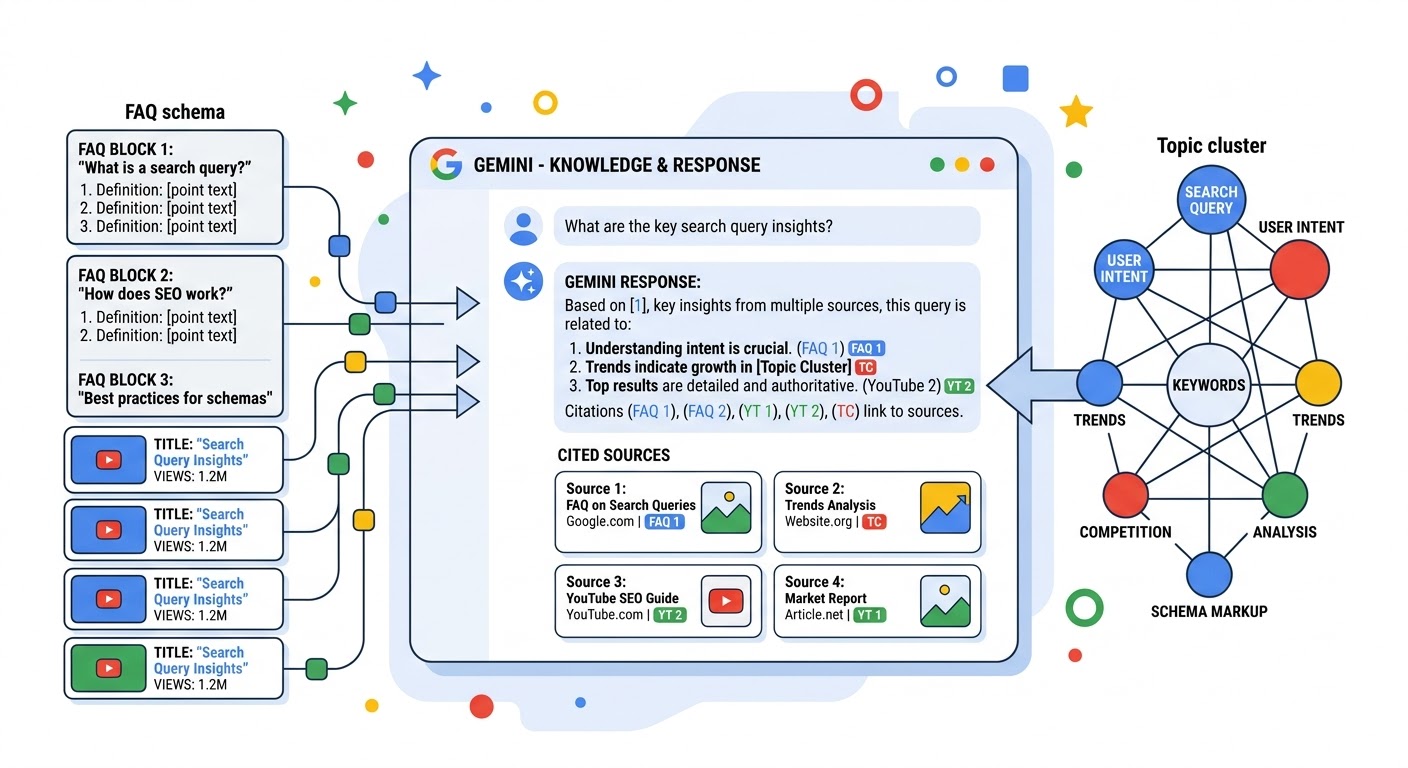
1. Double down on schema markup. Gemini crawls schema aggressively. FAQPage, HowTo, and Q&A markup get cited more frequently than plain text.
2. Create a content cluster around a core topic. Publish 10-15 related pieces that link to each other thematically. Gemini rewards topical clusters over standalone articles.
3. Add a FAQ section to every relevant page. Gemini cites FAQ content frequently. Include 3-5 genuine FAQs on each major page with proper FAQPage markup.
4. Publish video content with transcripts. Gemini indexes YouTube more aggressively than ChatGPT. If you have video + transcript, citation probability increases.
5. Update existing content regularly. Add new information, refresh statistics, update examples. Gemini notices content modifications and treats them as "new" for crawl priority.
Microsoft Copilot Citations: Bing Signals and Intent Matching
How Microsoft Copilot Works
Copilot is essentially Bing AI, so it relies heavily on Bing's ranking signals:
1. Bing ranking position — Top 10 Bing results get cited
2. Page intent match — Perfect keyword-to-content alignment
3. Freshness signals — Recent content preferred
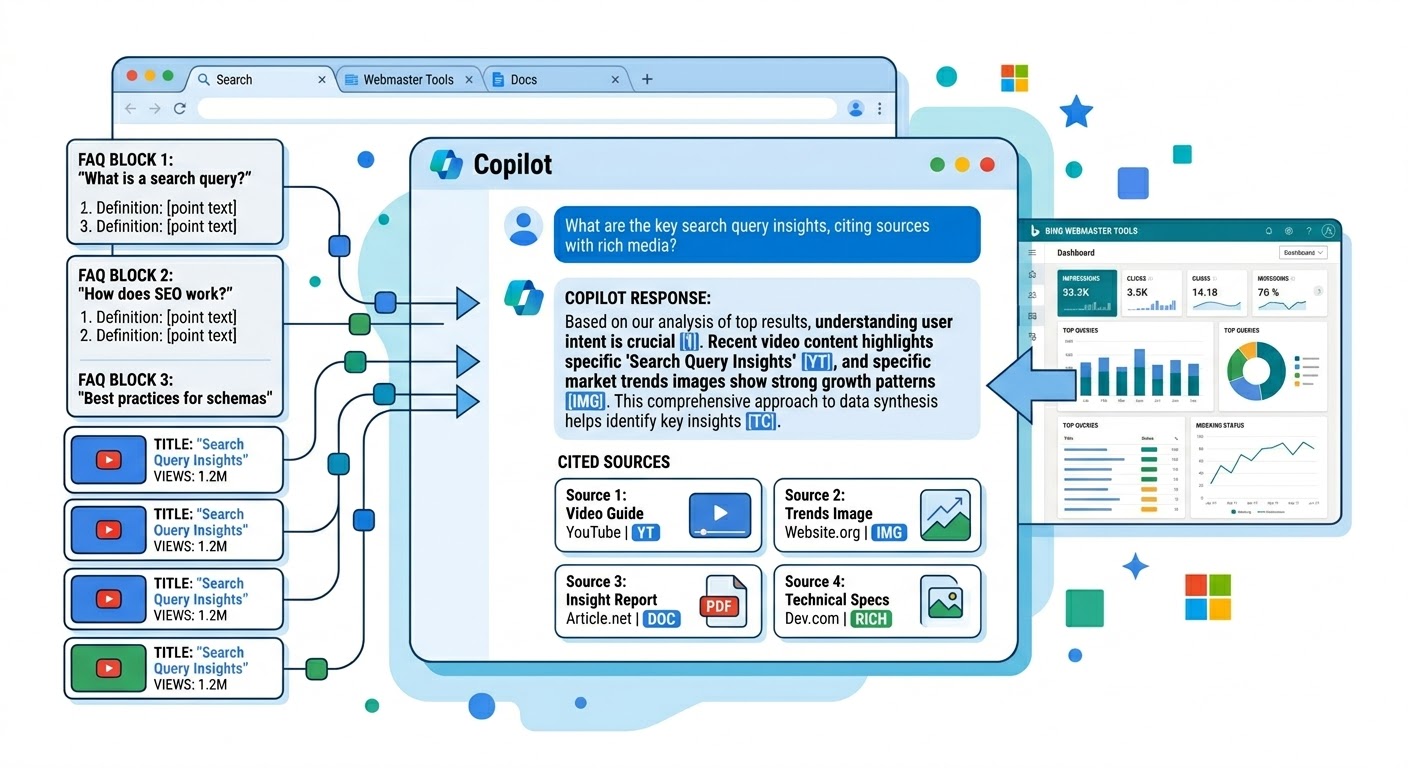
4. Multimedia — Pages with images, videos, and tables
5. Click data — Bing's click-through rate signals
Copilot Optimization Tactics
1. Optimize for Bing first. Bing has different ranking factors than Google (less emphasis on backlinks, more on on-page factors). If you're not in Bing's top 10, Copilot won't cite you.
2. Match intent perfectly. Copilot is more literal than ChatGPT. If someone searches "how to fix a leaky faucet," publish exactly that title. Avoid cute headlines or metaphors.
3. Include multimedia. Copilot prioritizes pages with images, screenshots, and videos. A page with 5+ relevant images gets cited 2x more frequently than text-only content.
4. Submit to Bing Webmaster Tools. Unlike Google, Bing gives sites that actively manage Webmaster Tools a crawl boost.
5. Use internal linking aggressively. Copilot rewards sites with clear information architecture. Link related content, use descriptive anchor text, create topical silos.
Cross-Platform Optimization: What Works Everywhere
Some tactics work across all platforms. If you can't optimize platform-by-platform yet, start here.
1. Publish comprehensive content. All platforms prefer longer-form content (2,000+ words) over thin pages. This is the one universal rule.
2. Use clear headlines and formatting. All platforms parse content structure. Use hierarchical headers, short paragraphs (2-3 sentences), and lists.
3. Focus on core SEO fundamentals. If you don't rank on Google, you won't be cited by any AI platform. Page-one Google ranking is table stakes.
4. Claim your brand identity online. Consistent branding, author bios, and verified credentials help every platform identify and cite you.
5. Build topical authority. Publish consistently on your core topic. Multiple pieces = higher citation probability across all platforms. Specialization beats generalization every time.
How to Track Your Progress Across All Platforms
Monitoring AI visibility is harder than traditional SEO, but not impossible. According to AI Sightline's data, brands using dedicated monitoring tools see 40% faster citation growth than those checking manually.
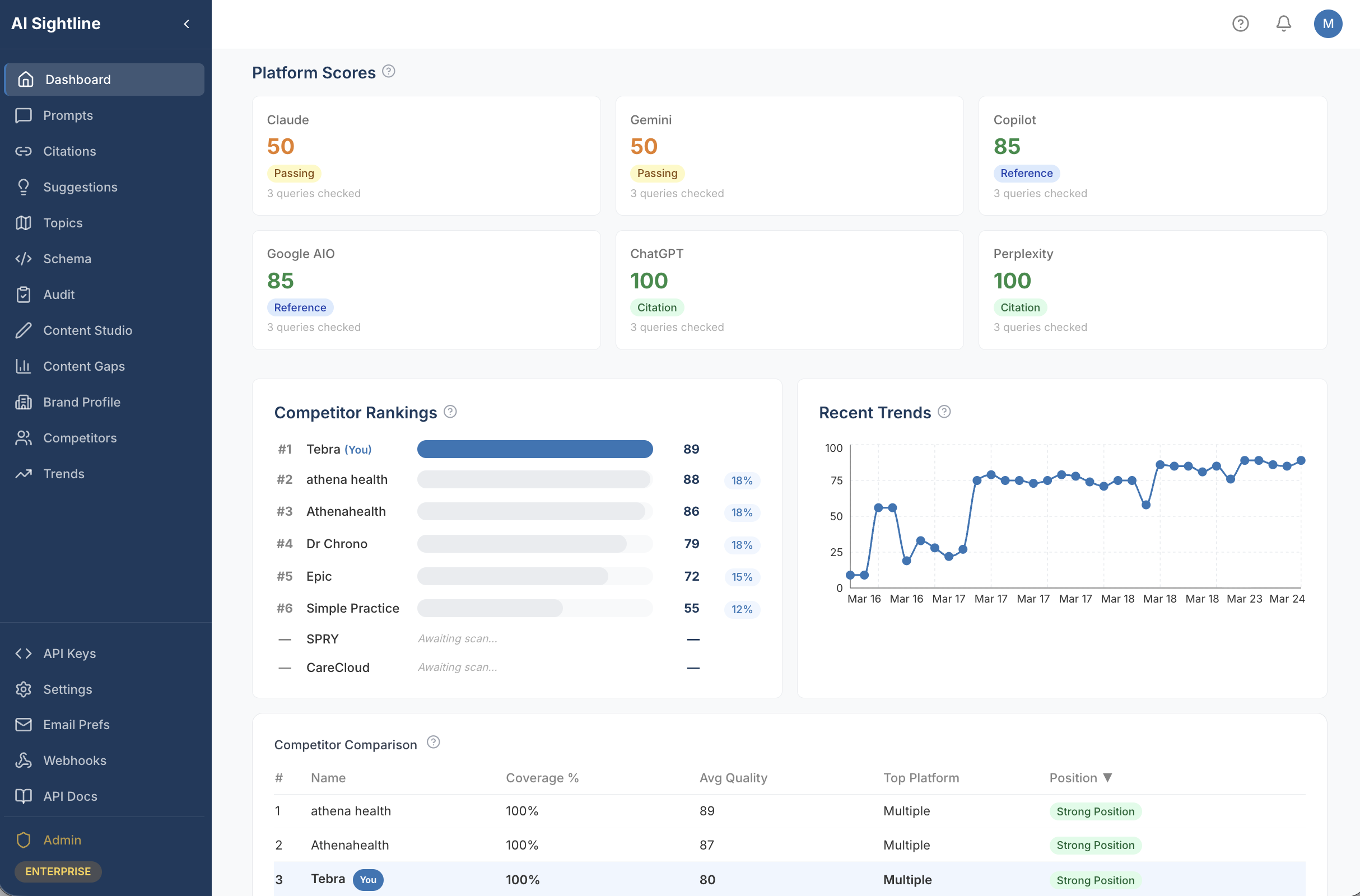
You can track your AI visibility across all 6 platforms —ChatGPT, Perplexity, Google AI Overviews, Claude, Gemini, and Copilot—with AI Sightline. Our monitoring shows exactly which keywords get you cited by which platforms, updated daily.
For free, basic monitoring, AI Sightline's free plan covers 3 platforms, 5 keywords, and 5 monthly refreshes. That's enough to test the waters on ChatGPT, Perplexity, and Google AI Overviews.
If you're serious about AI visibility, the Pro Plan ($149.95/month) covers 5 of the 6 major AI platforms with daily automatic scanning, 100 keywords, and 75 tracked prompts. Business ($289.95/month) adds Perplexity for full 6-platform coverage. We also offer a full REST API and MCP Server for teams who want to integrate AI visibility data into their existing workflows—we're the only tool with both.
Common Mistakes (And How to Avoid Them)
Mistake 1: Assuming SEO transfers directly to AI visibility. SEO and AI visibility are correlated but not identical. You can rank page-one and still not be cited by Claude. The platforms use different signals, and you need platform-specific tactics.
Mistake 2: Over-optimizing for ChatGPT and ignoring others. ChatGPT gets the most attention, but Perplexity is growing faster. According to AI Sightline's data, Perplexity traffic is up 890% year-over-year, while ChatGPT is up 340%. Diversify.
Mistake 3: Publishing one evergreen guide and calling it done. Perplexity, Gemini, and Copilot reward freshness. You need a consistent content calendar. If you're not publishing at least monthly, you'll fall behind.
Mistake 4: Ignoring Bing and Copilot as "small players." Microsoft Copilot now has 100+ million monthly users. Bing integration into Windows and Office means Copilot visibility will only grow. Optimizing for Copilot now is a competitive advantage.
Mistake 5: Not building topical authority. Publishing random content in different niches doesn't get you cited. The platforms weight specialization heavily. Pick your core 2-3 topics and own them completely.
Start Now, While the Window Is Open
AI search is still early. Most of your competitors aren't tracking AI visibility at all. They're not optimizing for Perplexity. They're not checking if Claude cites them. That's your window.
Start with one platform. Focus on your core keyword. Optimize your top 5 pages using the tactics above. Check your progress in 30 days. Then add the next platform.
Get free access to AI Sightline and see which platforms are citing your brand right now. No credit card required, 5-minute setup. Or explore our Pro plan to monitor 5 platforms at scale (Business adds Perplexity for full 6-platform coverage).
Your competitors are already moving. The question is whether you'll catch up or fall further behind.
How do I get cited by AI search engines?
Three things compound. Build topical authority through deep content clusters. Add structured data (Article, FAQPage, HowTo, Product) so AI parsers can extract entities cleanly. Earn high-trust backlinks from domains AI engines already cite (Reddit, SearchEngineLand, Wikipedia, semrush.com, ahrefs.com). All three together work faster than any one alone.
What kinds of content do AI engines cite most?
Long-form explainers, comparison and "best of" listicles, FAQ pages, glossaries, and original research with citable statistics. Short blog posts and pure opinion pieces almost never get cited because they lack the verifiable structure AI engines prefer.
How long does it take to get cited after publishing?
For grounded queries (live web search inside the AI assistant), as fast as 24 to 72 hours once the page is indexed in Bing or Google. For ungrounded queries, citations only appear after the next model retraining cycle, which is months to a year.
Do backlinks help with AI citations?
Yes, heavily. AI engines rely on the same authority signals search engines use, so domains with strong backlink profiles dominate AI citation lists. Earning links from already-cited domains (Reddit, SearchEngineLand, Wikipedia) is one of the fastest ways to enter the citation pool.
Get your free AI visibility score.
See how ChatGPT, Claude, Perplexity, Gemini, Google AIO, and Copilot talk about your brand.
Start freeSolo founder building AI visibility monitoring. Ships weekly. No venture capital, a lot of opinions about where AI search is going.